Pneumonia

Reviewed by: Dr. Juan Mariscal Castro · Pulmonology · Interventional Bronchoscopy · Specialty license 14135386
Last reviewed:
Description
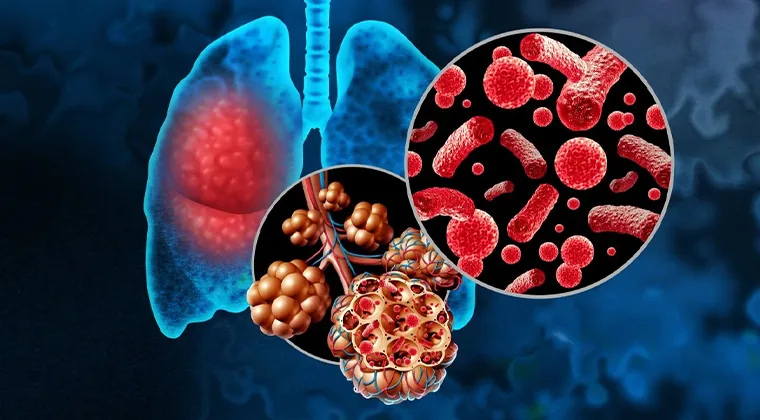
Pneumonia is an infection of the lung tissue that inflames the alveoli (air sacs) and causes them to fill with pus or fluid. This infection can be caused by different microorganisms, including bacteria, viruses, and fungi. Pneumonia can range in severity from mild to potentially fatal, affecting infants and young children, people 65 years of age or older, and those with weakened immune systems or chronic diseases more severely.
Causes
- Bacteria (Streptococcus pneumoniae, Haemophilus influenzae)
- Viruses (flu, influenza, COVID-19)
- Fungi
- Spread through respiratory droplets
- Aspiration of stomach contents
- Hospital-acquired infections
Symptoms
- Cough (with or without phlegm)
- Fever and chills
- Shortness of breath
- Chest pain when breathing or coughing
- Intense fatigue
- Nausea, vomiting, or diarrhea (occasionally)
- Confusion (in older adults)
Diagnosis
It is diagnosed with a physical exam and an imaging study. Depending on how severe it is, blood tests, oxygen measurement, and cultures may be added.
Treatment
Antibiotics when the cause is bacterial, chosen according to the severity and the risk of each patient; rest, fluids, and fever control. Severe cases require hospitalization. Go to the emergency room if you have trouble breathing, blue lips, confusion, or a fever that does not go down. Prevention: vaccines against pneumococcus, influenza, and COVID-19.
Reference guideline: ATS/IDSA, community-acquired pneumonia guideline, 2019.
Complications
- Bacteremia (bacteria in the blood)
- Lung abscess
- Pleural effusion (fluid around the lung)
- Respiratory failure
- Sepsis
- Acute respiratory distress syndrome (ARDS)
Risk factors
- Age (children 2 years old or younger and adults 65 years or older)
- Smoking
- Chronic conditions (diabetes, heart disease, COPD)
- Weakened immune system
- Hospitalization
- Difficulty swallowing
- Alcoholism
Statistics in Mexico
In 2024, influenza and pneumonia caused 37,283 deaths in Mexico and were the sixth leading cause of death in the country. Two out of three of these deaths (66.7%) occurred in people 65 years of age or older, and influenza and pneumonia were the third leading cause of death in children under 5.
Frequently asked questions
Is it contagious?
The microbes that cause it can spread, but not everyone who is exposed to them develops pneumonia.
How long does it take to heal?
With treatment, the fever usually goes away in two to three days. The tiredness and cough can last several weeks.
Which vaccines prevent it?
Vaccines against pneumococcus, influenza, and COVID-19. In older adults, also the vaccine against respiratory syncytial virus (RSV).
When should I see a pulmonologist?
If you have fever with cough and phlegm, pain when you breathe, or shortness of breath. Go to the emergency room if it is hard for you to breathe, you have blue lips, or you feel dizzy or confused.
Sources: ATS/IDSA (2019) · INEGI (2025)
Conditions
Learn about other diseases
Pneumonia can be serious if it is not treated in time. If you have symptoms, do not self-medicate. Book an appointment at AirCare Salud Respiratoria and receive specialized care.
Book online on Doctoralia19 conditions