Asthma

Reviewed by: Dr. Juan Mariscal Castro · Pulmonology · Interventional Bronchoscopy · Specialty license 14135386
Last reviewed:
Description
Asthma is a chronic disease that inflames the airways (bronchi) and makes them narrower. It is characterized by recurrent attacks of wheezing, difficulty breathing (dyspnea), chest tightness, and cough. These symptoms vary in severity and frequency from person to person. Chronic inflammation makes the airways hyperreactive, that is, sensitive to various triggers, which causes them to narrow and increases mucus production.
Causes
- Genetic factors (having family members with asthma or allergies)
- Exposure to allergens (pollen, dust mites, animal hair)
- Respiratory irritants (tobacco smoke, pollution)
- Respiratory infections
- Intense physical exercise
- Emotional stress
- Climate changes
- Certain medications
Symptoms
- Wheezing (whistling sounds when breathing)
- Cough (especially at night or in the morning)
- Chest tightness
- Difficulty breathing
- Fatigue during physical activity
- Trouble sleeping due to respiratory symptoms
Diagnosis
It is based on the history of symptoms that come and go and on spirometry with a bronchodilator that shows obstruction that improves. Sometimes exhaled nitric oxide (FeNO) is measured or provocation tests are done.
Treatment
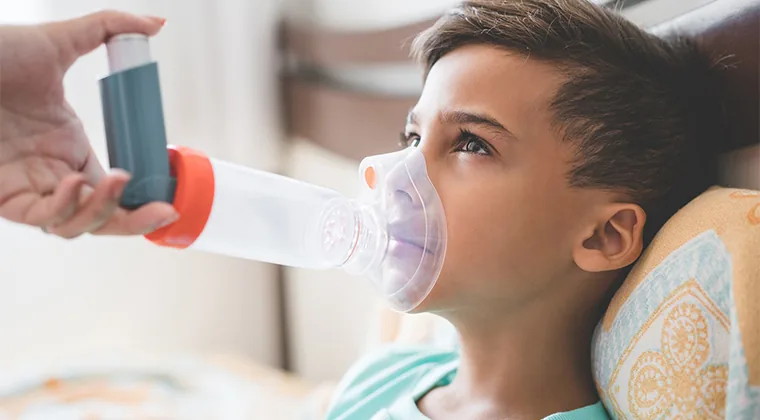
Asthma cannot be cured, but it can be controlled. The foundation of treatment is an anti-inflammatory inhaler (with a corticosteroid), used according to your doctor's plan. Current guidelines recommend against treating asthma with rescue inhalers alone. Treatment is accompanied by a written action plan for attacks, correct inhaler technique, and avoiding triggers. For severe asthma, there are biologic treatments.
Reference guideline: GINA, Global Strategy for Asthma Management and Prevention, 2026.
Complications
- Asthma attacks that require urgent care
- Long-term decline in lung function
- Sleep problems and chronic fatigue
- Limitations in physical activity
- Missed school or work
- Risk of hospitalization
Risk factors
- Family history of asthma
- Allergies, allergic rhinitis, eczema, or atopic dermatitis
- Early exposure to tobacco smoke
- Exposure to environmental pollutants
- Obesity
- Respiratory infections in childhood
Statistics in Mexico
The Secretaría de Salud estimates that about 7 out of every 100 people in Mexico live with asthma. In 2024, 145,911 new cases were reported in the country.
Frequently asked questions
Is asthma curable?
There is no cure, but with the right treatment most people control it and lead a normal life.
Do inhalers cause dependence?
No. Anti-inflammatory inhalers control inflammation in the airways and do not cause addiction. Once asthma is under control, your doctor can adjust the dose.
Can I exercise?
Yes. When asthma is controlled, exercise is recommended. If you feel short of breath when exercising, tell your doctor so they can adjust your treatment.
When should I see a pulmonologist?
If you have symptoms more than twice a week, wake up at night because of coughing or shortness of breath, or use your rescue inhaler often.
Sources: GINA (2026) · Secretaría de Salud (2016) · Anuario de Morbilidad (2024)
Conditions
Learn about other conditions
If you have any of these symptoms, do not wait for them to get worse. Book a consultation at AirCare Salud Respiratoria and get a specialized evaluation.
Book online on Doctoralia19 conditions