Obstructive sleep apnea (sleep apnea-hypopnea syndrome)

Reviewed by: Dr. Abraham Misael Tolentino de la Mora · Pulmonology · Sleep medicine · Specialty license 14138092
Last reviewed:
Description
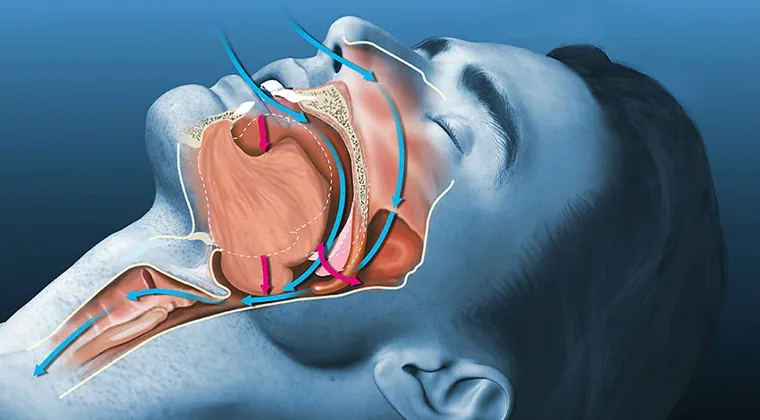
Obstructive Sleep Apnea Syndrome (OSA) is a common and potentially serious disorder in which breathing repeatedly stops during sleep. “Apnea” refers to a complete absence of airflow, and “hypopnea” to a significant reduction in airflow. These breathing pauses can last from a few seconds to minutes and occur dozens of times per hour, causing a drop in blood oxygen levels and brief awakenings that fragment sleep.
Causes
- Obstruction of the upper airway during sleep
- Relaxation of the throat muscles
- Obesity
- Specific anatomical structures
- Central sleep apnea (less common)
- Neurological problems
Symptoms
- Loud, chronic snoring
- Breathing pauses observed by others
- Sudden awakenings with a feeling of choking
- Excessive daytime sleepiness
- Fatigue
- Trouble concentrating
- Irritability
- Morning headache
- Dry mouth upon waking
Diagnosis
It is confirmed with a sleep study: home respiratory polygraphy or polysomnography. The result is expressed as the apnea-hypopnea index (AHI), the number of breathing pauses per hour of sleep, which defines whether the apnea is mild, moderate, or severe.
Treatment
The most effective treatment for moderate or severe apnea is CPAP, a device that delivers pressurized air through a mask during sleep and keeps the airway open. Depending on the case, other options include a mandibular advancement device, weight loss, positional therapy, and, in selected cases, surgery. It is advisable to avoid alcohol and sedatives before bed.
Reference guideline: American Academy of Sleep Medicine: diagnostic guideline 2017 and positive airway pressure treatment guideline 2019.
Complications
- High blood pressure
- Heart disease (heart attacks, arrhythmias, heart failure)
- Stroke
- Type 2 diabetes
- Metabolic problems
- Work or traffic accidents caused by sleepiness
- Decline in quality of life
Risk factors
- Obesity
- Thick neck
- Large tonsils or adenoids
- Male sex
- Older age
- Family history
- Use of alcohol or sedatives
- Smoking
- Chronic nasal congestion
Statistics in Mexico
According to the Encuesta Nacional de Salud y Nutrición de Medio Camino 2016 (ENSANUT MC 2016), more than one in four adults in Mexico is at high risk of obstructive sleep apnea. It is an underdiagnosed disorder, and its frequency increases with obesity.
Frequently asked questions
Is snoring the same as having sleep apnea?
No. Many people snore without having sleep apnea. Loud snoring with breathing pauses during sleep, waking up with a feeling of choking, or daytime sleepiness suggests apnea, but does not confirm the diagnosis.
Can a sleep study be done at home?
Yes. At AirCare, both respiratory polygraphy and polysomnography are performed in your home. Your doctor will tell you which one you need.
Is CPAP a lifelong treatment?
CPAP works only while it is being used. If the cause changes, for example by losing weight, your doctor may reassess the treatment.
When should I see a pulmonologist?
If you snore loudly, someone has noticed pauses in your breathing during sleep, you feel sleepy during the day, or you have high blood pressure that is hard to control.
Sources: AASM (2017) · AASM (2019) · ENSANUT MC (2016)
Conditions
Learn about other conditions
Do not ignore snoring or constant fatigue. Book your evaluation at AirCare Salud Respiratoria for an accurate diagnosis and appropriate treatment.
Book online on Doctoralia19 conditions