
Mediastinal tumors

Reviewed by: Dr. Raúl David Vega Vivar · Thoracic Surgery · Specialty license 14842215
Last reviewed:
Description
The mediastinum is the space in the center of the chest, between the two lungs, where the heart, large blood vessels, trachea, esophagus, and thymus are located. Tumors, both benign and malignant, and cysts can grow there. Many do not cause symptoms and are found by chance on an X-ray or CT scan done for another reason. The type of tumor depends mainly on the area of the mediastinum where it appears and on age.
Causes
- Tumors that arise from the thymus (thymoma)
- Lymphomas
- Germ cell tumors
- Goiter that grows into the chest
- Nerve tumors (neurogenic)
- Cysts, such as bronchogenic or pericardial cysts
Symptoms
- None, in many cases
- Cough or shortness of breath
- Chest pain or pressure
- Difficulty swallowing
- Hoarseness
- Swelling of the face and neck
- Muscle weakness that worsens during the day (myasthenia gravis, associated with thymoma)
Diagnosis
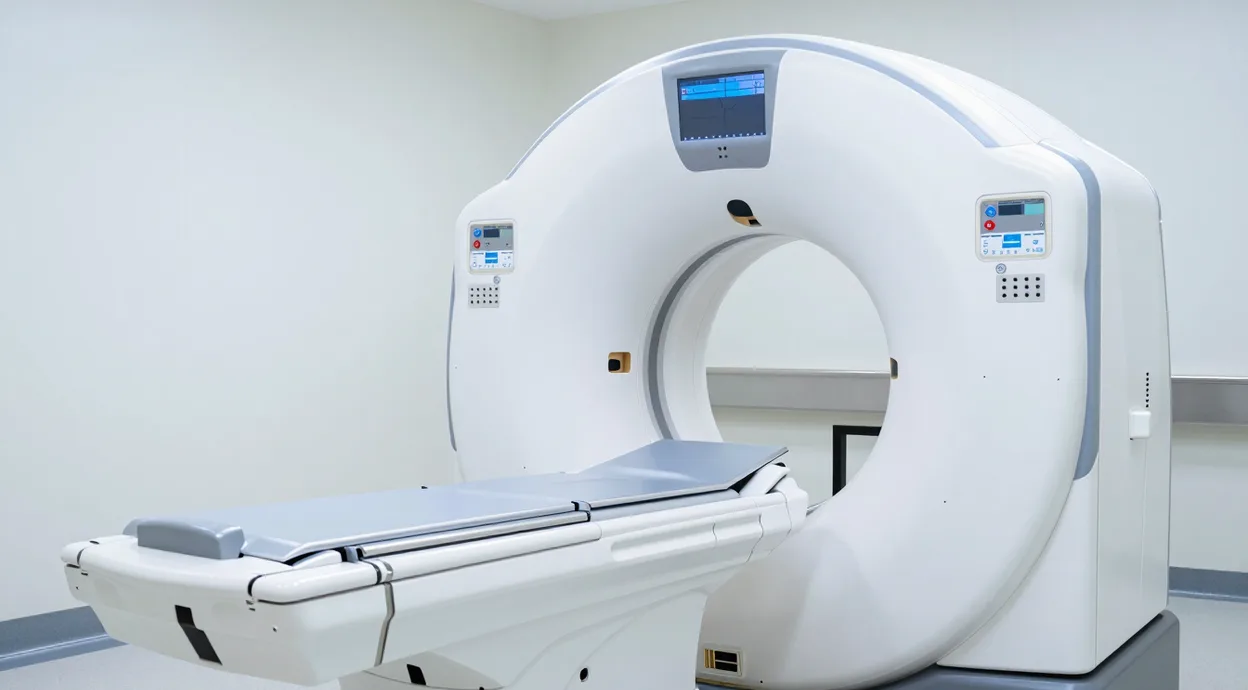
A chest CT scan locates the tumor and helps identify its type; sometimes an MRI, PET-CT, or blood tests (tumor markers) are added. The definitive diagnosis usually requires a biopsy, which may be taken with a needle, by bronchoscopy with endobronchial ultrasound (EBUS), or by minimally invasive surgery.
Treatment
Treatment depends on the type of tumor. Many thymic tumors, neurogenic tumors, and cysts are treated with surgery, which can often be done minimally invasively. Lymphomas are treated with chemotherapy, not surgery. Some cases combine surgery, chemotherapy, and radiation therapy; the plan is defined by a team of several specialists.
Reference guideline: Carter et al., ITMIG classification of the mediastinum, 2017; Duwe et al., mediastinal tumors, 2005.
Complications
- Compression of the trachea, blood vessels, or esophagus
- Superior vena cava syndrome: swelling of the face, neck, and arms
- Spread of the tumor to nearby organs
- Symptoms caused by substances the tumor produces
Risk factors
- Myasthenia gravis
- Goiter (enlarged thyroid)
- Age: some types are more common in young people and others in adults
Frequently asked questions
Are all mediastinal tumors cancer?
No. Many are benign, such as cysts and most nerve tumors in adults. Only tests and a biopsy can confirm it.
Do they always require surgery?
No. It depends on the type: lymphomas, for example, are treated with chemotherapy. That is why it is important to have a diagnosis before deciding.
What is the surgery like?
Many are removed with minimally invasive surgery (thoracoscopy), using small incisions. Some large tumors require open surgery.
A mass was found in my chest by chance. What should I do?
Book an evaluation with a pulmonologist or a thoracic surgeon and bring your test results. They will indicate whether monitoring is enough or whether more tests are needed.
Sources: Carter (2017) · Duwe (2005)
Conditions

Learn about other conditions
If a mass was found in your mediastinum, an evaluation with a thoracic surgeon helps define the tests and treatment. Book your appointment at AirCare Salud Respiratoria.
Book online on Doctoralia19 conditions