COVID-19 and its respiratory sequelae
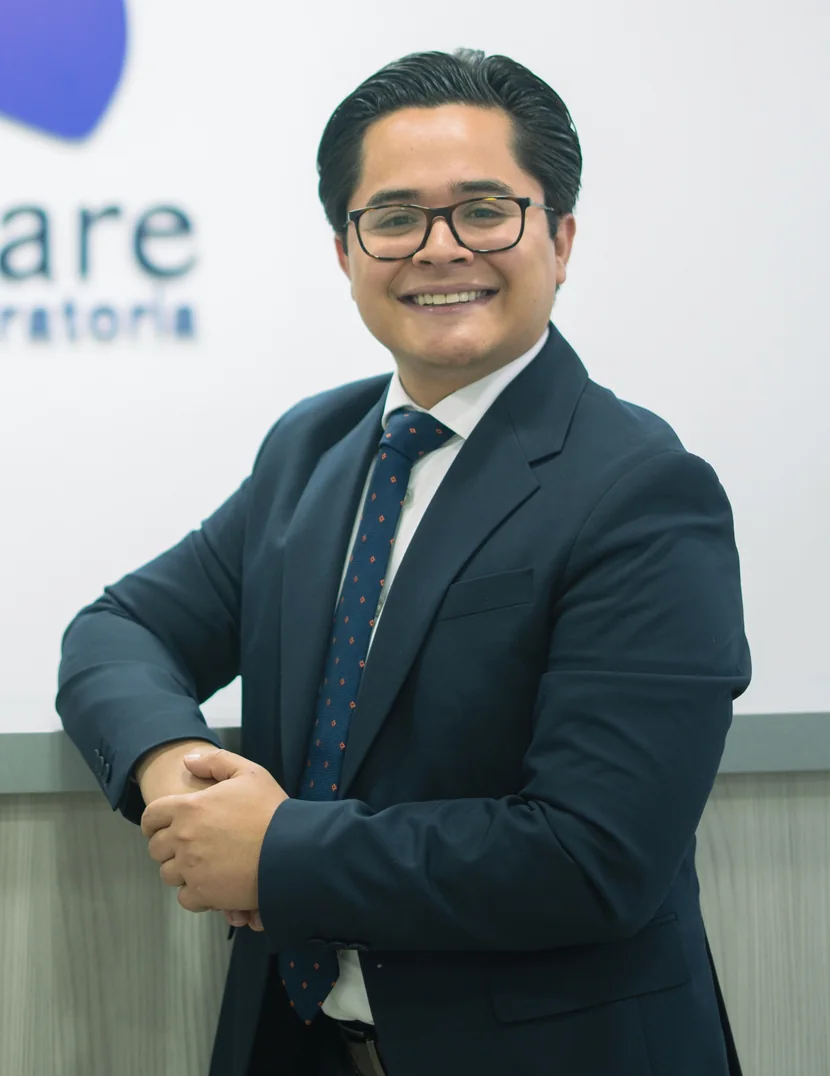
Reviewed by: Dr. Jesús Ramón Sosa Chombo · Pulmonology · Pulmonary Oncology · Specialty license 14129039
Last reviewed:
Description
COVID-19 is an infectious disease caused by the SARS-CoV-2 virus. Although its presentation varies widely, from asymptomatic cases to serious illness, it has a significant impact on the respiratory system. Many patients, even those with mild cases, can develop long-term respiratory sequelae, known as “post-COVID syndrome”. These sequelae can include persistent fatigue, shortness of breath, chronic cough, and, in some cases, lung damage such as fibrosis or bronchiectasis.
Causes
- Infection with the SARS-CoV-2 virus
- Persistent inflammation
- Direct lung damage
- Altered immune response
- Tiny blood clots in the lungs (microthrombosis)
- Damage to the lining of the blood vessels (endothelial damage)
Symptoms
- Acute phase: fever, cough, shortness of breath, loss of taste or smell, fatigue
- Respiratory sequelae: chronic cough
- Shortness of breath (dyspnea) with exertion or at rest
- Persistent fatigue
- Chest tightness
- Exercise intolerance
Diagnosis
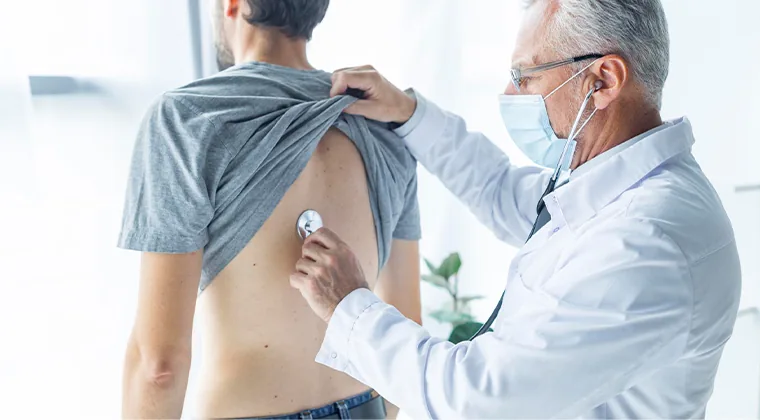
The World Health Organization (WHO) defines post-COVID condition as symptoms that appear or persist three months after infection, last at least two months, and cannot be explained by another cause. It is evaluated with a consultation, lung function tests, a 6-minute walk test and, if needed, a chest CT scan.
Treatment
It depends on the sequelae: pulmonary rehabilitation, treatment of cough or shortness of breath, and management of complications.
Reference guideline: WHO, clinical case definition of post-COVID-19 condition, 2021.
Complications
- Pulmonary fibrosis
- Bronchiectasis
- Pulmonary hypertension
- Chronic respiratory failure
- Reduced lung capacity
- Lower quality of life
- Prolonged post-COVID syndrome
Risk factors
- Older age
- Comorbidities (diabetes, high blood pressure, obesity)
- Pre-existing heart and lung disease
- Smoking
- Severe COVID-19 that required hospitalization
- Mechanical ventilation
- Weakened immune system
Statistics in Mexico
The World Health Organization (WHO) estimates that about 6 out of every 100 people who have COVID-19 develop post-COVID-19 condition.
Frequently asked questions
How long do the sequelae last?
It varies. Most people improve within a few months, but for others, symptoms last longer.
Does pulmonary rehabilitation help?
Yes. It helps improve shortness of breath, tiredness, and tolerance to exercise.
When should I see a pulmonologist?
If you have shortness of breath, cough, or tiredness that continues more than three months after the infection.
Sources: WHO (2021) · WHO (2025) · JAMA (2022)
Conditions
Learn about other conditions
If you have respiratory sequelae after COVID-19, book a consultation at AirCare Salud Respiratoria.
Book online on Doctoralia19 conditions