Pulmonary hypertension

Reviewed by: Dr. Jesús Ramón Sosa Chombo · Pulmonology · Pulmonary Oncology · Specialty license 14129039
Last reviewed:
Description
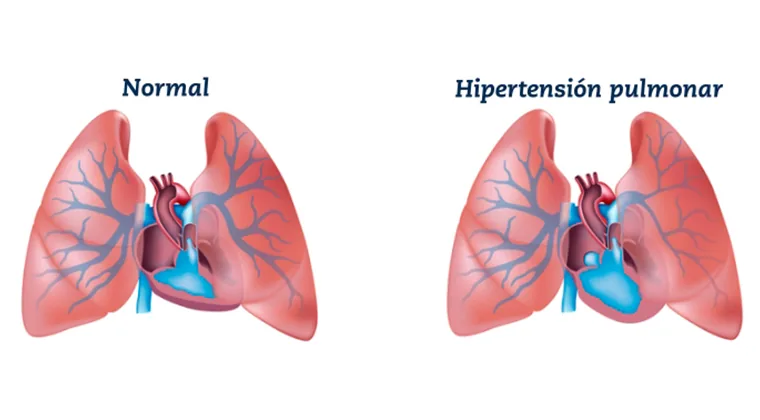
Pulmonary hypertension is a rare and serious condition characterized by high blood pressure in the arteries of the lungs. These arteries narrow, stiffen, or become blocked, which makes it harder for blood to flow through them. As a result, the right side of the heart has to work harder to pump blood through the lungs, which over time can weaken the heart muscle and lead to right-sided heart failure.
Causes
- Idiopathic pulmonary hypertension (no known cause)
- Heart disease (left-sided heart failure)
- COPD
- Pulmonary fibrosis
- Sleep apnea
- Chronic blood clots in the lungs
- Connective tissue diseases
Symptoms
- Difficulty breathing (dyspnea), especially with exertion
- Fatigue
- Dizziness or fainting
- Chest pain
- Swelling in the ankles, legs, or abdomen
- Bluish color of the lips or skin
- Palpitations
Diagnosis
It is suspected with an echocardiogram and confirmed with a right heart catheterization, which directly measures the pressure in the pulmonary artery. Studies are then done to look for the cause: lung function tests, CT scan, lung scan, and sleep study, among others.
Treatment
It depends on the cause: treating the heart or lung disease that causes it and providing oxygen if necessary. For pulmonary arterial hypertension and chronic thromboembolic pulmonary hypertension, there are specific medications and procedures, which are prescribed at specialized centers.
Reference guideline: ESC/ERS, pulmonary hypertension guideline, 2022.
Complications
- Right-sided heart failure
- Arrhythmias
- Blood clots in the lungs
- Bleeding in the lungs
- Complications during pregnancy
- Sudden death
Risk factors
- Family history
- Use of certain drugs
- Congenital heart disease
- Chronic lung diseases
- Connective tissue diseases
- Sleep apnea
- Liver disorders
- Living at high altitude
Frequently asked questions
Is it the same as high blood pressure?
No. Common high blood pressure is in the arteries of the body. Pulmonary hypertension is high pressure in the arteries of the lungs.
When should I see a pulmonologist?
If you have shortness of breath that gets worse, fatigue, leg swelling, or fainting with exertion.
Sources: ESC/ERS (2022)
Conditions
Learn about other conditions
If you notice progressive breathing difficulty or swelling, schedule your appointment at AirCare Salud Respiratoria.
Book online on Doctoralia19 conditions