Pulmonary rehabilitation
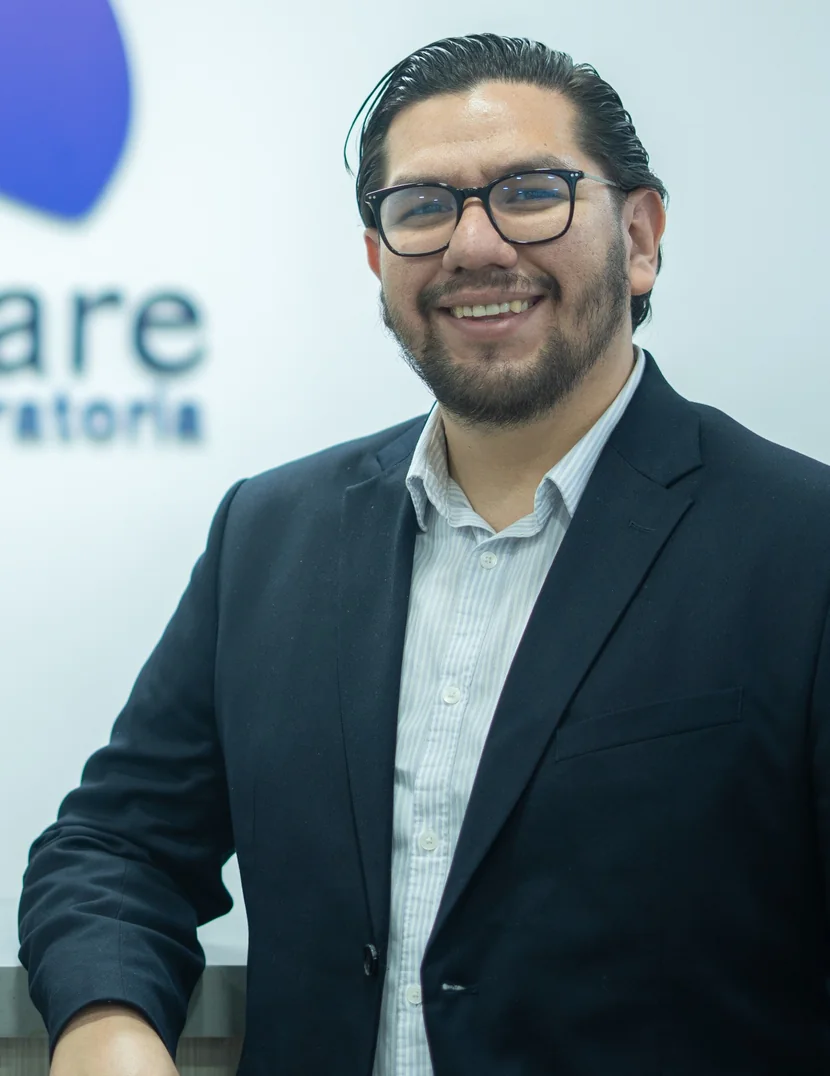
Reviewed by: Dr. Juan Carlos Acosta Salazar · Pulmonology · Respiratory Physiology and Therapy · Specialty license 14126695
Last reviewed:
A comprehensive program to improve breathing, physical capacity, and quality of life in people with chronic lung disease.
Description
Pulmonary rehabilitation is a comprehensive program, supervised by a physician, designed to improve the well-being of people with chronic respiratory diseases. This multidisciplinary program combines adapted physical exercise, education about the disease and symptom management, nutritional counseling, and psychological support. Its main goal is to reduce symptoms such as shortness of breath, increase exercise tolerance, improve quality of life, and reduce the need for hospitalizations. At AirCare, we assess whether pulmonary rehabilitation is right for you, recommend a program tailored to you, and follow up on your results.
Benefits
- Significant reduction in breathing difficulty
- Increased exercise capacity
- Marked improvement in quality of life
- Fewer hospitalizations
- Greater independence in daily activities
- Better management and understanding of the disease
Is it painful?
It is not painful. The exercises are adapted to each patient's individual capacity.
What is it for?
To optimize residual lung function, strengthen the respiratory and peripheral muscles, teach efficient breathing techniques, provide knowledge about the disease, and improve the patient's emotional state.
Myths
- Pulmonary rehabilitation is only for very severe cases - False: it is beneficial at many stages of chronic lung disease
- It is only exercise - False: it is a much broader program that includes education, nutrition, and psychological support
Process
- Complete initial evaluation and goal setting
- Design of a personalized exercise program
- Supervised physical training sessions
- Education about the disease and breathing techniques
- Nutritional counseling and psychological support
- Ongoing evaluation and program adjustments
Types
- Outpatient program: regular sessions at a specialized center
- Home-based program: adapted to be done at home under supervision
Does it require a hospital stay?
Usually outpatient, with scheduled sessions at a specialized center. In some severe cases, it may start during a hospital stay
How long does it take?
The program typically lasts several weeks, with sessions 2 to 3 times per week
Does it require anesthesia?
No anesthesia is needed
How long is the recovery?
There is no recovery time, since this is an ongoing process of improvement. Results are seen gradually throughout the program
What care do I need afterward?
- Keep up the exercises you learned
- Continue with the program's recommendations
- Take an active part in all sessions
- Maintain a healthy lifestyle
- Regular medical follow-up
Frequently asked questions
Do I need to prepare for anything?
Comfortable clothes and shoes, your inhalers, and your oxygen if you use it.
When will I notice improvement?
Usually after 6 to 8 weeks in the program.
Sources: ATS/ERS (2013)
Our services
Explore our other services
If you live with a chronic lung disease, we invite you to an evaluation at AirCare Salud Respiratoria to find out whether pulmonary rehabilitation is right for you.
Book online on Doctoralia14 services available